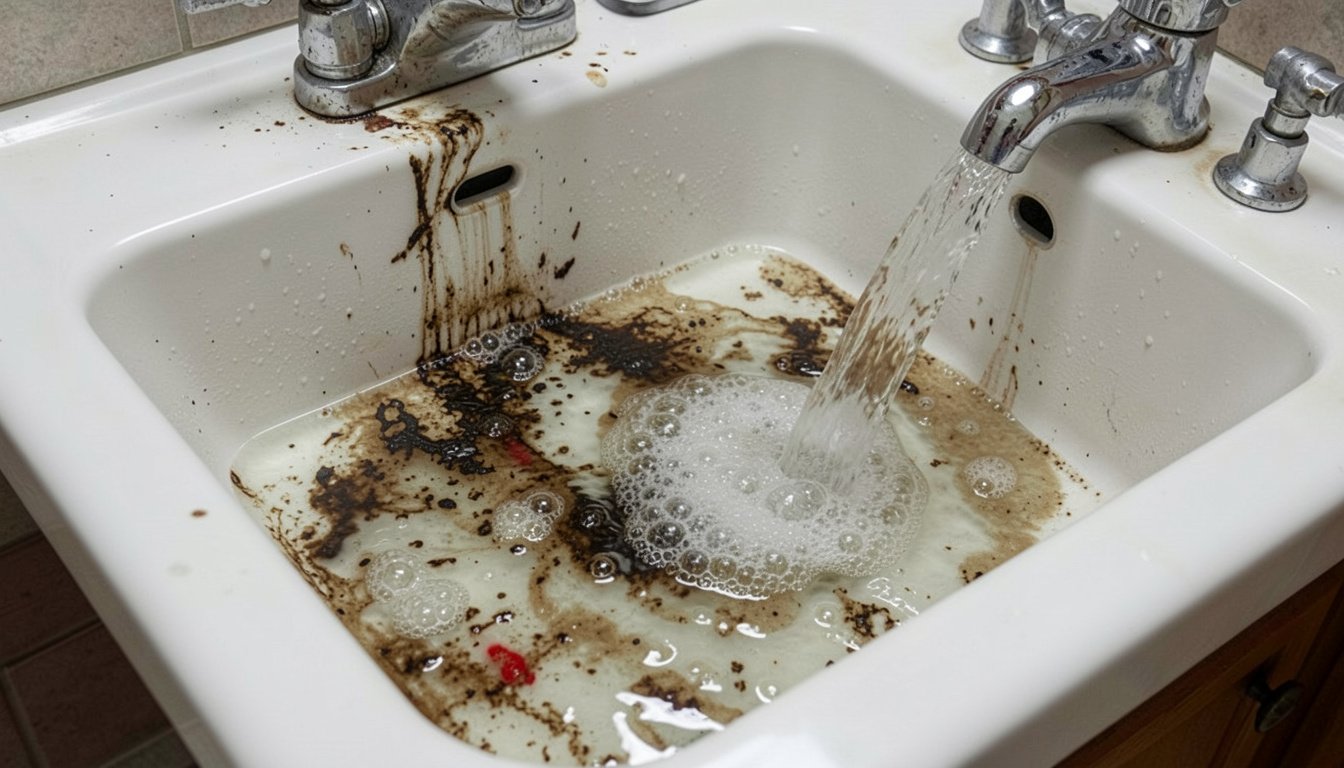
Most of us simply open the faucet and assume the water will be safe and clean for drinking. Sydney property owners particularly tend to take this sort of thing for granted. But what if the flow of water coming into your house actually changes direction on you?
This kind of situation is a very dangerous and plumbly a thing, which is actually what backflow really means. When the water in a property flows backwards, it can bring along harmful chemicals, bacteria, and waste materials right into the drinking water supply. If there’s no correct protective measure, one small plumbing breakdown may result in polluting the drinking water to the extent of an entire street or a commercial building.
At Backflow Testing Sydney, we are constantly witnessing the consequences of unprotected water systems. This article will cover what causes backflow in plumbing, the health hazards that are not obvious due to drinking contaminated water, and how regular testing can make sure your place meets Australian laws.
Quick Answer: What is Backflow?
Backflow refers to the backward flow of water into the plumbing system, which is definitely a problem. A backflow situation happens when contaminated water is pushed in the reverse direction through a crossover connection after a reduction in the main water pressure or a rise in the pressure downstream, thereby mixing with the clean water for drinking.
How Does Backflow Happen in Sydney Homes?
When backflow occurs, water pressure is the force that drives the flow. The reason why you get clean water at your taps is that the city’s water supply system is always maintaining a high pressure. If the pressure balance is broken, water flows along the easiest route.
Normally, such a disruption happens in one of the two ways: backsiphonage or back-pressure.
Backflow vs Backsiphonage: What’s the Difference?
Although generally people use the terms interchangeably, in fact, backsiphonage is just a particular type of backflow.
| Feature | Backsiphonage | Back-Pressure |
| The Cause | Negative pressure (a vacuum) in the supply line. | Downstream pressure becomes higher than the main supply pressure. |
| How it works | Acts like a straw, sucking contaminated water backward. | Pushes contaminated water backward into the clean supply. |
| Common triggers | Burst water mains, heavy firefighting use nearby. | Unvented heating systems, commercial pumps, elevated tanks. |
| Typical locations | Residential homes, garden hoses, street-level mains. | Industrial sites, high-rise buildings, manufacturing plants. |
Common Causes of Backflow in Plumbing
Backflow events rarely happen without an external trigger. In our experience servicing properties from the Sydney CBD out to Penrith, the most frequent causes of backflow include:
- Water Main Breaks: A burst pipe in the street leads to a sudden and huge drop in water pressure. This vacuum effect can cause water to be drawn from residential garden hoses straight into the municipal supply.
- Heavy Firefighting Activity: When emergency services open the fire hydrants for nearby areas, these hydrants will be able to produce massive yields of water at a time. This will drastically decrease the pressure within the local area and consequently result in backsiphonage.
- Booster Pumps: Water is pushed up to higher floors in tall buildings of Parramatta or Chatswood by booster pumps. If the pressure produced by these pumps is higher than that of the city supply lines, then due to back-pressure, water flows back.
- Cross-Connections: Basically, it’s any sort of physical connection between clean water and a source that might lead to contamination. For instance, irrigation networks, chemical storage tanks, and swimming pool filling lines are some examples.
The Hidden Health Risks: Why Contaminated Water is Dangerous
Backflow contamination isn’t only a plumbing issue; it’s a major threat to public health. When unsafe water is allowed to circulate back into the drinking water system, it carries a multitude of harmful contaminants with it.
Pathogens in the Water Supply
Dirty water, including sewage and stagnant water, might have harmful bacteria like E. coli, Salmonella, and Giardia contaminating the drinking water. In case a cross-connection allows a sewer line or greywater system to be connected to the main supply, these disease-causing bacteria can significantly contribute to a large outbreak of stomach-related illnesses.
Chemical Contamination
Factories and even household gardens have their share of chemical hazards. If a child, for instance, happens to lick fertiliser sprayed through a garden hose or grabs a bottle of detergent from an industrial wash-down bay, they may suffer chemical burns of the mouth and throat as a result of ingestion.
Expert Insight: Many home owners make the mistake of thinking their regular tap valves will keep them safe. However, this is not the case. If you do not have a special backflow prevention valve, even a garden hose submerged in a bucket of soapy water can contaminate the whole house’s water supply if there is a drop in the pressure of the water main.
Real Australian Backflow Incidents
You don’t have to look far to find real-world incidents as to why council backflow requirements in Sydney must be so strict.
Usually, companies that get affected do not tell the public about major outbreaks; however, examples of backflow incidents in Australia that have become known publicly reveal the potential threat. For example, a backflow incident due to a cross-connection at a commercial premises resulted in heavy metal contaminants being backwardly deposited into the local drinking water system. In the residential sector, untreated water from a domestic water tank illegally connected to the mains water supply is mostly the scenario of cross-connection that causes the tank water to be mixed with the mains water drinking supply.
Such episodes caused considerable pipe refilling, issuance of boil-water advisories, and imposition of heavy penalties on the landlords concerned.
Signs Your Property May Have Backflow Problems
How do you find out if a potable water contamination issue exists? Look at the following signs for immediate identification of contaminated water:
- Discoloured Water: Water that appears brown, yellow, or murky.
- Bad Odours: A strong sulphur (rotten egg) or sewage smell coming from your taps.
- Strange Tastes: Water that tastes metallic, salty, or chemically altered.
- Sudden Pressure Drops: A noticeable, unexplained decrease in your normal water pressure.
- Slow Drainage: Often accompanying backflow issues if sewer lines are involved.
If any of these indicators come to your notice, discontinue water consumption right away and contact a plumber who is licensed.
How Backflow Prevention Devices Work
A backflow prevention device is like a one-way gate for your plumbing system. It permits fresh water to move inward but it physically prevents polluted water from flowing outward.
Which kind of backflow valve you require is determined by the level of risk of your property.
- RPZ Valve (Reduced Pressure Zone Device): It is intended to be used on properties with a higher level of risk. The RPZ valve is made up of two independent check valves plus a relief valve. In case both of the check valves fail, the relief valve will open and turn the dirty water to the drain, so that it will not come to the clean water supply at all.
- Dual Check Valve: This type of device is most often chosen for residential properties that are low or medium risk. It is equipped with two spring-loaded valves, which will quickly close if water tries to flow backwards.
- Vacuum Breakers: They are frequently installed on outdoor faucets and irrigation systems to stop the back-siphonage of water through garden hoses.
Australian Regulations and NSW Testing Requirements
Protecting the water supply is a collective task. The Plumbing Code of Australia, together with the Australian Drinking Water Guidelines, imposes stringent regulations for backflow prevention.
Council Backflow Requirements in Sydney
According to AS/NZS 3500.1, if a property is linked to the municipal water system and is assigned a medium or high-hazard level, it must be fitted with a suitable backflow prevention device. Besides, Sydney Water requires that these particular devices be tested for backflow annually.
Quick Answer: How often should backflow testing be done?
According to the law in NSW, high and medium-hazard backflow prevention devices, like RPZ valves, are required to be tested by an accredited backflow plumber every 12 months. Additionally, the test results have to be sent directly to Sydney Water by the testing person.
Who Needs Testing? Residential vs Commercial
Not every property requires annual testing. The requirements generally break down by property type:
| Property Type | Hazard Level | Testing Requirement | Common Examples |
| Residential (Standard) | Low | No annual test required | Freestanding homes, townhouses |
| Residential (Complex) | Medium/High | Annual test required | Strata blocks, homes with large irrigation, alternate water supplies |
| Commercial | Medium/High | Annual test required | Restaurants, cafes, retail stores |
| Industrial / Medical | High | Annual test required | Hospitals, factories, mechanic workshops, car washes |
Maintenance Checklist & When to Call Professionals
Prevention is always less costly than emergency cleanup due to contamination. To protect and keep your property compliant, work through the following basic maintenance checklist:
- Never leave hoses submerged: Don’t leave a garden hose lying in a pool, pond, or bucket of chemicals.
- Check outdoor taps: Make sure your hose bibs are equipped with vacuum breakers.
- Track your compliance dates: For commercial property owners and strata buildings, always remember to mark your calendars for the yearly RPZ valve inspection. Failing to comply with the deadline may lead to water restrictions or council fines.
- Monitor water quality: Watch out for changes in water colour, taste, or pressure.
- Winterise your system: Although winter is quite temperate in Sydney, RPZ valves that are left out in the open may get harmed by sudden frosts, especially in places such as the Blue Mountains or Western Sydney. Make sure that insulation is done properly for them.
When to Call Us
After getting a compliance letter from Sydney Water or if you are simply changing the irrigation system, commercial kitchen, or installing an industrial pump, you are highly recommended to seek professional advice. Only a plumber who holds specialised backflow accreditation is authorised to test, certify and present your paperwork legally.
Key Takeaway
Backflow is a quiet yet extremely hazardous danger to our potable water. No matter if it is a broken water pipe on the road or a wrong cross-connection on business premises, the effect will be the same: dirty water contaminating the clean water supply.
Knowing exactly what backflow is, and frequently making sure that your backflow prevention device is in working order, are the only ways to safeguard not just your property but also the community at large. Compliance is not only about satisfying a legal requirement but also about protecting people from potentially life-threatening health hazards.
Received a testing notice from Sydney Water? Or do you just want peace of mind that your property is protected? We are at your service. Contact our team today if you want to schedule your annual testing or talk about the most suitable prevention methods for your property.
Frequently Asked Questions
What is backflow?
Backflow is the backward flow of contaminated water into the clean drinking water supply. This happens when water pressure drops in the municipal line or downstream pressure forces water backwards through a plumbing cross-connection.
Why is backflow dangerous?
It allows toxic chemicals, human waste, and dangerous pathogens to mix with potable water. Consuming this contaminated water can lead to severe gastrointestinal illnesses, chemical burns, and widespread community health crises.
How does backsiphonage happen?
Backsiphonage happens when there is a sudden loss of pressure in the main water supply, creating a vacuum. This vacuum acts like a straw, sucking non-potable water from hoses, pools, or irrigation systems back into the clean water grid.
What is the difference between backflow and backsiphonage?
Backflow is the general term for any reverse flow of water in a plumbing system. Backsiphonage is a specific type of backflow caused by negative pressure (a vacuum), whereas back-pressure is caused by higher downstream pressure pushing water backward.
How often should backflow testing be done?
In NSW, medium- and high-hazard backflow prevention devices, such as RPZ valves and double check valves, must be tested every 12 months. This is a strict legal requirement enforced by Sydney Water to protect public health.
Who needs backflow testing?
Commercial properties, industrial sites, hospitals, and multi-level strata buildings typically require annual testing. Residential homes with underground irrigation systems, swimming pools, or rainwater tanks connected to the mains may also need mandatory testing.
What is an RPZ valve?
An RPZ (Reduced Pressure Zone) valve is a highly secure backflow prevention device used in high-hazard properties. It contains two check valves and a relief valve that dumps contaminated water to a drain if the internal valves fail.