This decrease in water pressure could potentially suck contaminated water into the clean water supply that is used throughout your whole building. While this might seem like an uncommon catastrophe, it is something that occurs more frequently than most think.
Whether you are the owner of a busy coffee shop close to the Sydney Harbour Bridge or the manager of a huge manufacturing business located out west, ensuring that your water supply is protected is a major issue. Chances are, if you manage business premises, you’ve at least heard about backflow prevention. Knowing what your legal obligations are, however, may be another story.
We at Backflow Testing get in touch with property owners every day who feel burdened by the council letters and compliance notices. It doesn’t have to be hard for you to do it.
This article will help you understand the Sydney water backflow prevention requirements and prevention system so that you know exactly what needs to be done.
What Exactly Is Backflow?
Before getting to the actual guidelines, it will be helpful to define what backflow is. This is the undesirable reversal of flow of contaminated water, liquids, or substances from the private side to the public water supply system.
There are two ways that this can happen. First is known as back siphonage. Imagine there is a large fire erupting near Darling Harbour and the fire department is pumping water from their fire hydrants. This causes the pressure of the water in the pipes to go down, and a vacuum is created, which will then suck in dirty water from nearby buildings.
Secondly, there is back pressure where the pressure in the plumbing of the building is greater than the pressure of the municipal water mains. This normally occurs due to the use of large pumps or boilers.
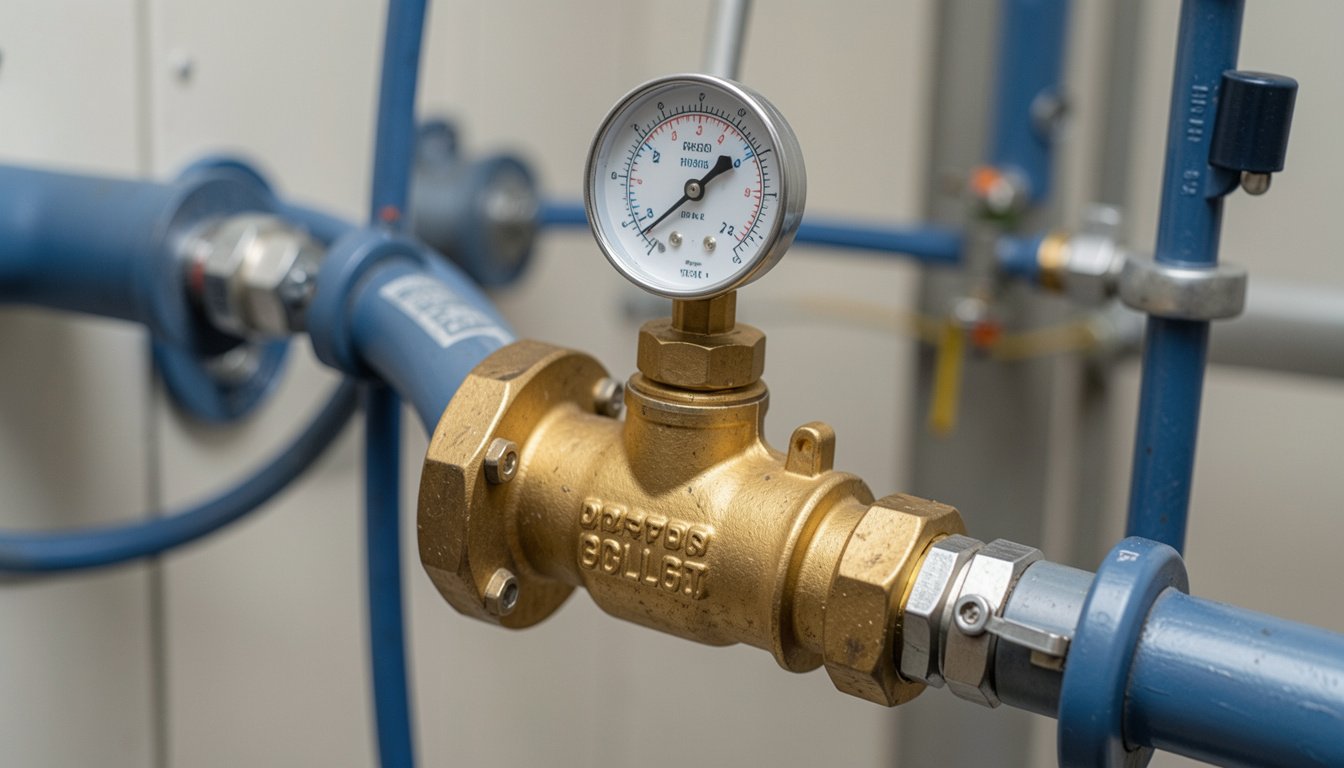
In order to prevent reverse flow, a property will install a backflow prevention device that is basically a one-way valve. The one-way valve lets in clean water while ensuring nothing flows back out. Installation and maintenance of the one-way valve form the core of backflow testing standards.
Understanding Sydney Water Backflow Prevention Requirements
Keeping the city’s water supply clean is a massive responsibility.World Health Organisation (WHO) data indicate that water contamination causes hundreds of thousands of illnesses every year around the world. In order to protect the local population from the same, the government imposes very stringent regulations.
The Sydney water backflow prevention policy is precise and rigid. If you own a premise that has the potential to cause pollution of the main water supply, then an approved backflow prevention system has to be installed in the boundary of the premise.
Each commercial or industrial location is assessed to be given an appropriate hazard classification. There are three hazard classifications used by Sydney Water:
- Low Hazard: instances wherein there can be a cross-connection issue, although it will only cause inconvenience and will not pose any threat to health.
- Medium Hazard: backflow which poses a threat to health.
- High Hazard: backflow which may result in death or severe disease.
Medium- to high-hazard sites demand testable equipment, but sites that have low hazard might just require non-testable valves. If you are unsure about what your site requires, feel free to get in touch with our professionals at Backflow Testing.
Who Needs Backflow Testing in NSW?
If you have wondered who needs backflow testing in NSW, the answer would be almost every non-residential location.
If you run a restaurant located in Surry Hills, run a car wash that’s situated close to Bondi Beach, or manage a high-rise office block in the CBD, you’ll require a testable device. Even some residential premises can be classified as such. This is if you use a different source for your water, like a bore, or have a big swimming pool connected directly to the mains system.
In summary, if your property utilises chemicals, biological waste, or sophisticated irrigation systems, then you become a part of the list. When the authorities send you a notification, testing becomes compulsory.
How Often Is Backflow Testing Required by Sydney Water?
It has to be the one question that we get asked time and time again: “How frequently does Sydney Water need backflow testing done?” It is actually very simple and not negotiable: every 12 months.
No provision is made for “every other year”. The explanation is straightforward: machines have parts that wear out. Springs weaken, seals deteriorate, and even dirt can clog up the valves. A machine may look as good as new from the outside, yet not be working at all from the inside.
A yearly examination ensures that the inner workings still prevent any backflow efficiently. Your partner in this process is Backflow Testing, which will make sure that all dates are monitored for our clients and notify you well before the year is up.
The Backflow Testing Annual Compliance Certificate
While passing the physical test is just one part of the process, the documentation process plays an equally crucial role. Once your device is found to have cleared the inspection process, you will need to acquire an annual compliance certificate of backflow testing. This certificate is proof that you are safe and compliant in the eyes of the local authority.
Once the test is finished, we will take care of the necessary documentation on your behalf. Our objective is to ensure that you do not have to stress about compliance at all because it is our goal to make the process completely hassle-free for the owners.
Backflow Testing Reporting Requirements
It is required by the backflow testing reports to submit the testing results directly to Sydney Water within a certain period of time. The plumber needs to record the model, make, and serial numbers of the device, as well as the actual pressure levels recorded during the test.
In case the device is not working properly, the report will state that there have been repairs carried out and that the re-test has shown a successful outcome. All the data about the tests is stored in the Sydney Water database.
What Happens If You Don’t Test Your Backflow Device?
Failing to take your yearly test is the worst thing that you could possibly do. But what would happen if you failed to test your backflow device deadline?
Reminder letters will first be sent to you. If you continue to ignore these letters, the next step will come fast. According to the backflow prevention policy at Sydney Water, they are legally allowed to cut off your water supply completely.
Imagine being a manager of an active hotel close to the Sydney Opera House, only to find out that there is no water flowing from the taps. The impact on the bottom line would be disastrous and the consequences severe. If the equipment was not taken care of, thus causing an outbreak of contamination, then you would be liable for the damages caused.
It’s never advisable to avoid an inexpensive annual test and risk being fined or having your water turned off.
Who Can Perform Backflow Testing?
You cannot just go around hiring any local handyman to do this task. Then the question arises, “Who is the right person to do this backflow test? Is it the licensed plumber or some other person?” According to the law, a plumber having a particular certificate for backflow prevention can carry out this process.
At Backflow Testing, we ensure that all of our techs have all the current certifications. We have good knowledge of the water authority laws in the area. With us, you can always be sure of getting your job done properly.
Summary of Backflow Requirements
To keep things simple, here is a quick breakdown of what to expect based on your property’s hazard level.
| Hazard Level | Typical Property Types | Device Type Needed | Testing Frequency |
| Low | Small retail, standard offices | Non-testable | Not required annually |
| Medium | Restaurants, public pools | Testable | Every 12 months |
| High | Hospitals, chemical plants | Testable (Heavy Duty) | Every 12 months |
Wrapping Up Your Backflow Responsibilities
Following Sydney’s backflow prevention regulations does not need to be stressful. The regulations are tough and the consequences of failing to adhere to them are grave; however, when you have the right people by your side, compliance can be easy and hassle-free.
In case you have a testable device on your premises, an annual test is compulsory. Do not wait until you get a notice letter or a notification letter for disconnecting your property from the water supply system. Ensure that the valves on your premises are working.
Should your annual inspection be due soon or even if you wish to make sure that you meet all the requirements, we are ready to help. Please contact us for an appointment right away. We will do all the work of pressure testing and the documentation, allowing you to focus on your strengths.
Frequently Asked Questions
How much does a backflow test cost in Sydney?
Cost will be determined by the size and placement of the device. Generally speaking, each valve will cost between $150 and $300. Please contact us for an exact quote according to your specific situation.
How long does a backflow test take?
An average test will take between 20 and 30 minutes for each device. During this short period, we will shut off the water supply to that particular line only.
Can I test my own backflow device?
No, you cannot perform the test yourself. It must be performed by a fully licensed and accredited plumber who is qualified in backflow prevention.
What is a hazard rating for backflow?
A property will be classified as low, medium or high hazard depending on the potential threat to the water supply. High hazard locations include industrial areas which require robust equipment, whereas smaller shops would fall under low hazard.
Does residential property need backflow testing?
Stand-alone residential premises are exempt from having their device tested annually. Properties that have alternate water supplies, large pools or some irrigation systems may require a testable device. Please check your water bill.