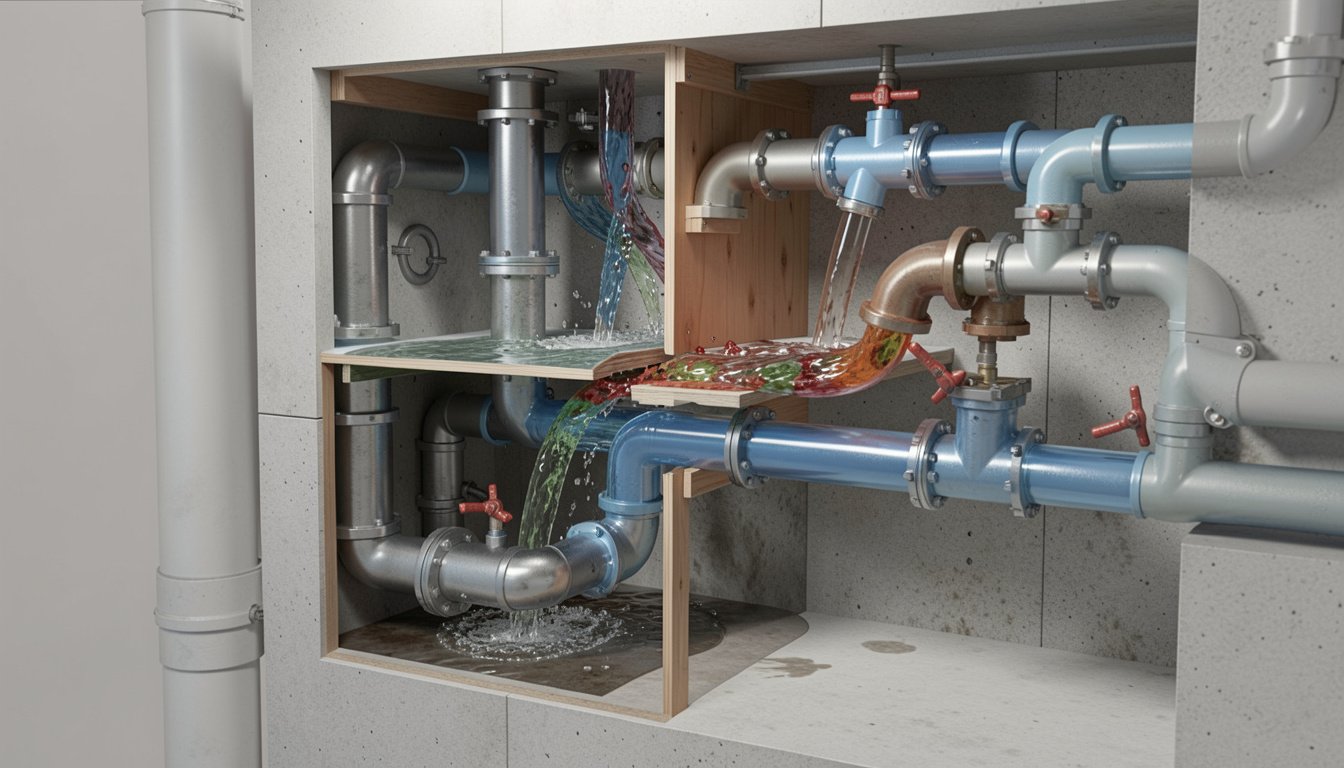
If you have a commercial development, a strata building or even a home in the greater Sydney area, you are likely to depend on a steady supply of clean and safe drinking water. But what would happen if the water that came from your tap was going the wrong way?
This potentially harmful reversal of flow is known as a ‘backflow’, and it can see water containing unwanted chemicals, sewage, and fertilisers coming back into your clean water supply.
At Backflow Testing Sydney, we get asked questions about the technical jargon on your Sydney Water compliance notice all the time. We frequently get asked questions about the difference between what is called ‘backflow’ vs ‘backsiphonage’, along with questions about where ‘back-pressure’ fits in.
In this guide, you are going to discover precisely how these plumbing processes take place, learn more about their appearance in Sydney, their origin, and precisely what to do to keep the potable water clean and Australian Standard approved.
What is the Actual Difference?
Backflow encompasses the undesirable reversal of the flow of water within a plumbing system. In contrast, back-siphonage explains a situation where there is a negative pressure that causes the backflow of water in the supply pipe. However, there are also some cases where higher pressure in the downstream of the plumbing system leads to the occurrence of backflow and this phenomenon is referred to as ‘back-pressure’.
In short: Backflow is the result. Back-siphonage and back-pressure are the causes.
Key Takeaways
- Backflow is the general term for this phenomenon. The two mechanisms described below are called “back-siphonage” and “back-pressure”.
- Back-siphonage is caused by a partial or total loss of pressure in the supply main. This is likely to occur if there is a water main burst in your area or a fire hydrant is opened in a street near you.
- Back-pressure is caused by a sudden increase in pressure downstream on the property, for instance, when a private boiler or unvented hot water service is operated.
- It is not always necessary for a pump to be operating for these phenomena to occur. The simplest illustration of backflow is hot water being forced up and out of a kettle after the stove is turned off.
- Sydney Water Ordinance and Australian Standard AS/NZS 3500 require the use of certain backflow prevention devices, such as RPZ valves, and their annual testing by certified testers.
Backflow vs Back-Siphonage vs Back-Pressure: Defining the Terms
In order to fully comprehend what backflow is on Sydney’s commercial premises, it is essential to define the terms provided by independent plumbers as well as water authorities.
What is Backflow?
Backflow is the undesirable flow of water, liquids, gases, or other substances from other sources back into the potable (drinking) water distribution system. From the perspective of Sydney Water, the water in the water mains is delivered to your property in one direction, unless there is a condition referred to as ‘backflow’.
Backflow can allow water from your property to flow back up and into the water main. This presents a potential health risk if there are any cross connections. For a deeper dive into the health hazards associated with this, read our detailed guide on what backflow is and why it is actually dangerous.
What is Back-Siphonage?
Back-siphonage is a type of backflow that is triggered by the formation of a vacuum within the supply pipes. By using a straw to drink, one can easily understand what back-siphonage means. In the case of a drop of the water pressure in the main below the atmospheric pressure, the flow of water in the service pipe will be reversed and it will begin to suck any liquids from the plumbing system of the house connected to the main.
What is back pressure?
Back-pressure is backflow that occurs when a force beyond the incoming supply pressure from the distribution system is created downstream, causing the water to be “pushed back”. This can happen when an appliance or a system on the inside of your home or business in North Sydney or Parramatta is “pushing” the water instead of the water being “pulled” from the city main. Common causes of this type of backflow are large booster pumps, boilers or chilling systems.
Comparison Table: Understanding the Differences at a Glance
To make this as simple as possible, here is a breakdown of the differences between the two main causes of backflow.
| Feature | Back-Siphonage | Back-Pressure |
| Core Mechanism | Negative pressure (a vacuum) in the supply line. | Positive pressure pushing against the supply line. |
| Direction of Force | “Sucks” water backward. | “Pushes” water backward. |
| Primary Cause | Sudden drop in city water main pressure. | Internal plumbing systems generating high pressure. |
| Common Triggers | Burst water mains, firefighting hydrants being opened. | Thermal expansion, booster pumps, commercial boilers. |
| Can it happen without a pump? | Yes, it relies entirely on a vacuum effect and gravity. | Yes, via thermal expansion (though pumps can also cause it). |
| Risk Level | High (Can affect entire neighborhoods). | High (Usually localized to a specific building or strata). |
How Does Backflow Happen in Sydney Homes? (Real-World Scenarios)
Theoretical definitions are great but let’s see how it would really affect Greater Sydney. Let’s discuss some real worldwide cases of siphonage and back-pressure.
Scenario 1: What Causes Back-Siphonage?
Imagine you are washing your car on a Sunday afternoon in the Hills District. You leave your garden hose running in a bucket of soapy, chemical-laden car wash water while you answer an incoming call.
Suddenly, down the street, a construction crew accidentally ruptures a huge Sydney Water main. Alternatively, the firefighters are on a call and have connected to a street hydrant to put out a local fire.
The Result
The huge amount of water being used causes a drop in pressure within the street water main, causing a syphon. Because your hose is in the bucket (a cross-connection), the soapy contaminated water would be drawn up through the hose into your home and possibly into the street main. When the pressure is re-established, the neighbours could turn on their kitchen faucets and drink the chemicals from your bucket.
Scenario 2: Back Pressure vs Backflow in High-Rise Buildings
Consider a multi-storey strata building in Chatswood. Water is delivered to the penthouse on the 20th floor by way of heavy-duty booster pumps.
On a normal day, the water supplied to the building from the municipal supply is about 500 kPa. But the pressure could rise to 700 kPa in case of failure of the building’s booster pumps or severe thermal expansion in a commercial boiler.
The Result
Because the pressure in the building has exceeded the pressure of the municipal supply line, the water that has been used and polluted by the building’s HVAC or boiler systems is being forced back into the clean water line.
Can Backflow Happen Without a Pump?
Yes, backflow can happen even without a pump. Although the back-pressure scenario is initiated mainly by booster pumps, back-siphonage does not require any form of mechanical pumping. Instead, it is achieved through atmospheric pressure, vacuum pressure, and gravity.
Moreover, back-pressure can also be created without a pump; for instance, when water is heated in an enclosed hot water heater, the liquid undergoes expansion, thereby generating high pressure.
Common Misconceptions About Plumbing Backflow
As accredited backflow testers operating across Sydney – from the Northern Beaches to the Inner West – we encounter several dangerous misconceptions.
“I don’t have chemicals, so I don’t need backflow prevention.”
Even in the case of a private residence, it is possible to have cross-connections. In particular, the watering systems, the pools, the bidet, and even the decorative ponds are potential sources of cross-connection. It means that the bacteria-infested water from the swimming pool can be sucked through the faucet in the kitchen.
“Sydney Water guarantees safe drinking water, so it’s not my problem.”
Sydney Water treats and delivers top-notch water up to your property’s boundary, but from your water metre onwards, it is your responsibility to ensure that the internal plumbing does not introduce contaminants into the system.
“A standard one-way valve is enough.”
A simple non-return valve is not a compliant backflow prevention device for high-hazard situations. Depending on the hazard rating of your property, you will need specialised, testable devices.
Sydney Backflow Prevention: The Defence Mechanisms
To avoid back-siphonage and back-pressure, Australian Standard AS/NZS 3500.1 requires the installation of either of the following backflow prevention devices based on the hazard classification of your property (low, medium or high).
1. Reduced Pressure Zone (RPZ) Valve
An RPZ valve is the most common type of valve installed on high-hazard properties. This valve has two independent check valves with a pressure-monitored relief valve in the middle.
- How it works: In case of back-siphonage or back-pressure, the relief valve opens up, discharging the contaminated water to the ground and thus breaking the connection, removing the hazard to the potable water supply.
- Where it’s used: Hospitals, car washes, industries and chemical manufacturing facilities located in Western Sydney and Blacktown are some of the places where this valve is installed.
2. Double Check Valve (DCV)
A double check valve is used for medium-hazard cases. This valve has two spring-loaded check valves in series.
- How it works: It prevents the backflow of water; unlike some of the others, it does not have a relief valve to bleed off the pressure.
- Where it’s used: Apartment buildings, public swimming pools, and standard commercial properties.
3. Vacuum Breakers
Atmospheric and pressure vacuum breakers are specifically designed to stop back-siphonage.
- How it works: They have an air inlet valve that opens when the pressure is low, thus breaking the vacuum and stopping the syphon.
- Note: They are not efficient against back pressure, so it is better to contact a licensed plumber to check the spot.
Compliance: When is Professional Backflow Testing Needed?
In New South Wales, the installation of a backflow device is just the beginning. For homes and businesses that have a testable backflow prevention device (such as an RPZ valve or testable double check), Sydney Water legally requires that it be tested annually.
The Annual Testing Process
- Notification: Sydney Water will notify you when your annual test is due.
- Inspection: You will need to organise an inspection by a licensed and certified backflow plumber (such as our team at Backflow Testing Sydney).
- Testing: We will conduct a test using specialised, calibrated gauges to ensure the internal springs and check valves are maintaining the correct pressure and free from deposits due to hard water or foreign materials.
- Reporting: We submit the required forms directly to Sydney Water through their online portal so you can avoid expensive fines or service disruptions.
Expert Tip: Don’t wait till the day before your compliance is due. If the RPZ valve fails its test and needs parts, it can take a while. You want to make sure you book your testing a month in advance so that you are always compliant.
Protect Your Property and Your Health
Understanding the difference between backflow vs back-siphonage is not only essential to your health but to your community’s health as well. Whether it be a decrease in water pressure in the municipal system or in a commercial building boiler, these occurrences are common throughout Sydney.
At Backflow Testing Sydney, we have made it our business to remove any stress involved with making sure you are compliant. Our qualified and experienced staff can take you through the whole process, from initial site inspection and installation of any RPZ valves to your mandatory Sydney Water annual testing and reporting.
Do not risk drinking the polluted water or pay thousands in compliance fines. If you have received a letter from Sydney Water or if you suspect that your property does not have the required backflow prevention devices installed, call Backflow Testing Sydney.
Contact us to schedule your yearly test or to ask for advice.
Frequently Asked Questions
What is the main difference between backflow and back-siphonage?
Backflow is the physical phenomenon of water reversing its direction in the supply. The situation in which the supply of water moves backwards is referred to as back-siphonage. This happens when there is a negative pressure in the main water line.
Can backflow happen without a pump?
Yes, backflow can occur without a pump. Back-siphonage is caused by a vacuum and gravity, while back-pressure can occur due to the expansion of heated water in unvented boilers or hot water systems.
What causes back-siphonage in a home?
The cause of back-siphonage in the home is due to a significant and sudden drop in the municipal water pressure. This pressure drop can be caused by a water main break in the street, fire department activity on a nearby hydrant, or maintenance work in progress on the local water supply.
What is an example of back pressure vs backflow?
‘Backflow’ refers to the water reversal, while backpressure is the force that initiates the reversal. One of the examples of back-pressure is the high-rise building’s booster pump that creates a force higher than the main, which results in the backflow of the water from the building to the main.
Does Sydney Water require mandatory backflow testing?
Yes. If your property is categorised as medium or high hazard and has a testable backflow preventer (RPZ valve), Sydney Water, by law, requires that it be tested annually by an appropriately licensed backflow plumber.
Why is an RPZ valve required for backflow prevention?
An RPZ (Reduced Pressure Zone) valve is necessary for high-hazard properties, as it is the safest mechanical apparatus that can be utilised. In the case when internal valves fail on the RPZ and backflow occurs, the faulty water is discharged from the device through a relief port, eliminating the possibility of drinking water contamination.